Burnout looms over us every day.
It creeps between calendar meetings, it creeps in during the workload, it creeps in in the need to be productive.
She got me a few times.
At first I denied it, I pushed it further - and the effects were very bad. The harder I pushed, the more it cost me.
And the recipe is simple:
When just sitting at your desk makes you physically reluctant, and the thought of writing an e-mail makes you vomit - just don't do it.
Rest. Just do the bare minimum. It is very important to do it at the first, even slight, symptoms. Otherwise, recovery will be much longer and more difficult.
But here comes another trap typical of "productive people" - trying to optimize absolutely every moment. You start to rest and after ten minutes you think: "Maybe it's better to read something smart? Or write down a new idea?" For years, I jumped from activity to activity because I wanted every minute to be worthwhile.
To the road to nowhere.
It didn't make me more productive. This led to burnout.
Because a human being is not a machine, we need a breath, some relaxation and a bit of pointless pleasure. That's why I'm learning today not to optimize my rest. Not doing "something useful" all the time.
“Doing nothing” is the most effective recovery strategy. You don't have to squeeze productivity out of every minute of your life.
Besides, why would anyone need such a life?
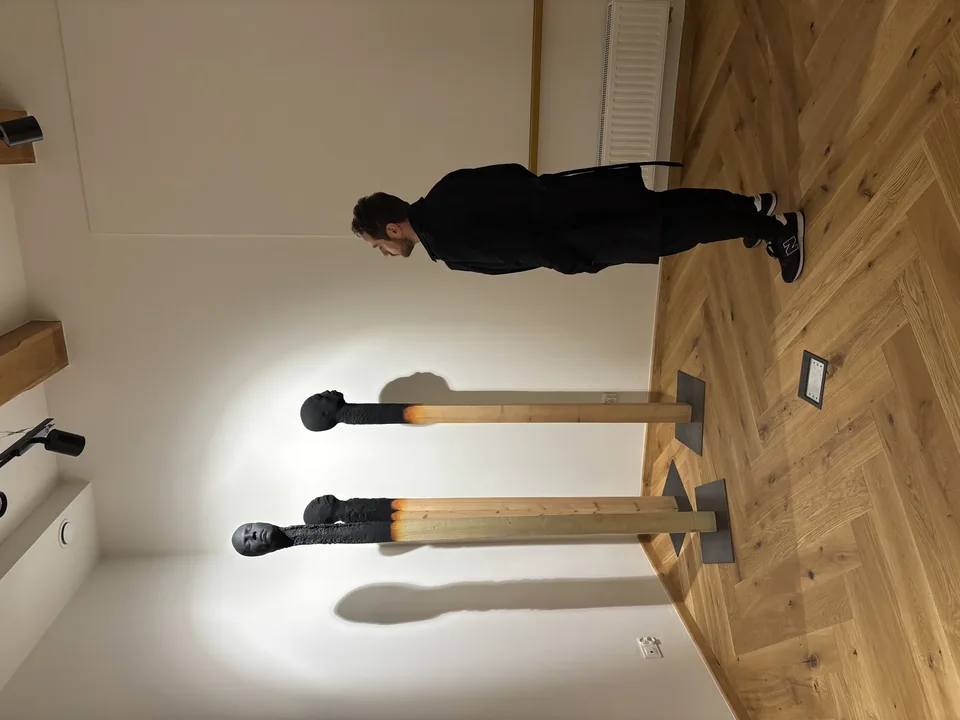
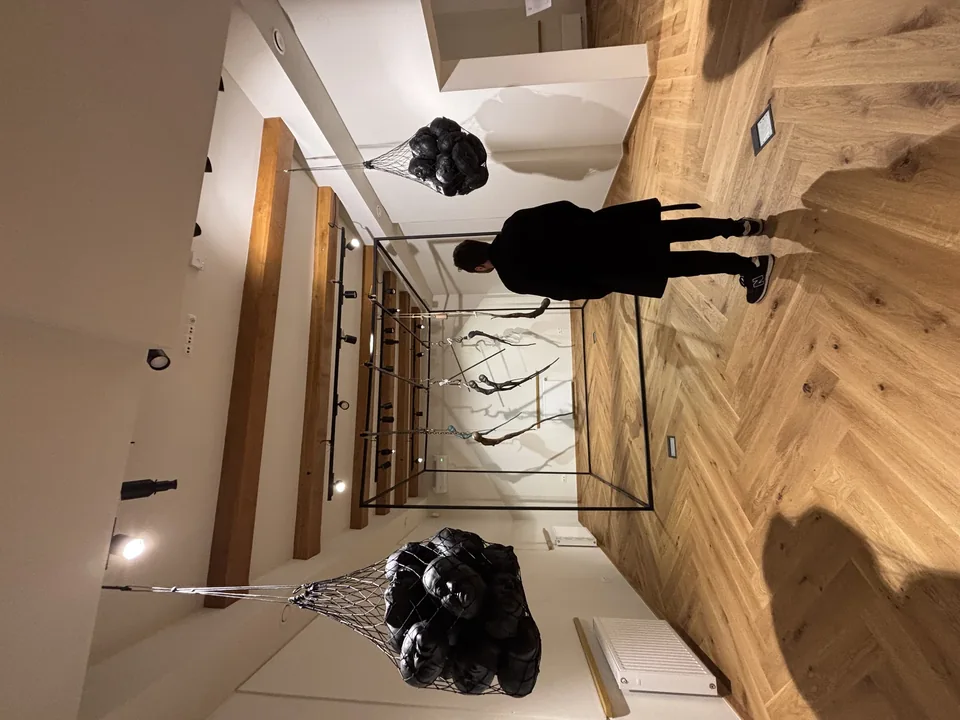
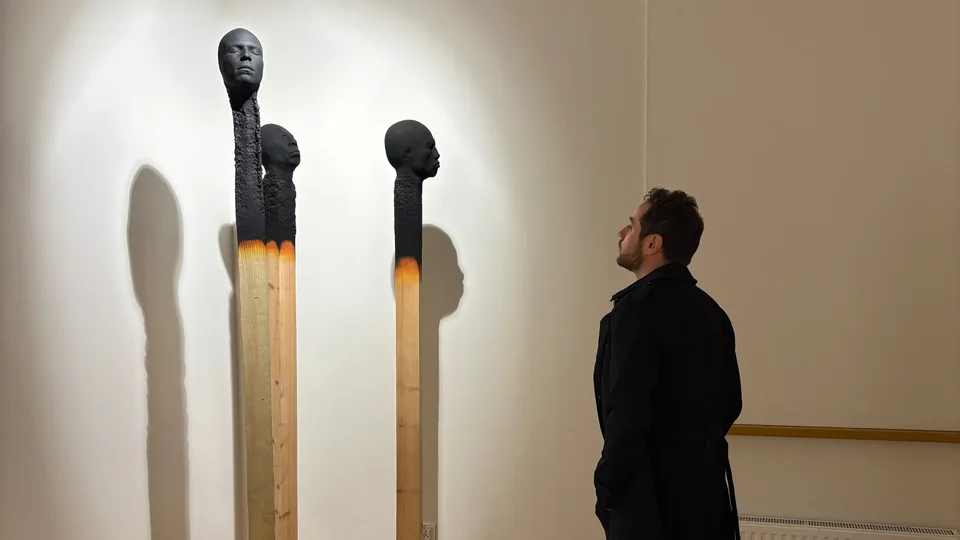
The photos come from the exhibition "Traces of Existence" by Wolfgang Stiller, which I saw at the Craft Museum in Krosno.
The Matchstickmen series, in which human heads replace match heads, talks about the fragility of life and the experience of burnout. These monumental figures remind us that our existence - although powerful in the moment of flame - is fleeting and susceptible to destruction. Heads trapped in a net become a metaphor for individuals caught in a web of dependencies, pressures or social systems from which it is difficult to free themselves.